Parenting in the UAE
Choosing clubs and sections your child will actually enjoy
After-school life in the Emirates is changing quickly. Timetables are fuller, options are broader, and the pressure on parents to pick the right activity for a six or seven year old has never been higher. The good news: the smartest approach is also the simplest one, follow the child.
Trend 1
Schools are offering more than ever, and parents are overwhelmed
Walk into any campus in Dubai, Abu Dhabi or Sharjah this September and you will see notice boards packed with extracurricular options: chess, robotics, Arabic calligraphy, swimming, ballet, coding, football, drama, choir. Many American curriculum schools in the UAE now run twenty or more clubs per term, and outside providers add a second layer on top of that.
The instinct is to sign the child up for as many as possible. Resist it. A six or seven year old cannot process five different weekly commitments without losing sleep, appetite or the thing they actually loved to begin with. Two structured activities per week is a healthy ceiling for most elementary students, one active and one quiet.
- Ask the child first. A ten-minute chat about what they enjoyed in class this week beats any parent survey.
- Trial before you commit. Most UAE providers offer a free or paid trial session, use it.
- Match the school day. If your child finishes at 3 pm and eats at 4, a 4:30 session works; a 6 pm session usually does not.
Trend 2
Sport is booming, but choose the right kind of sport
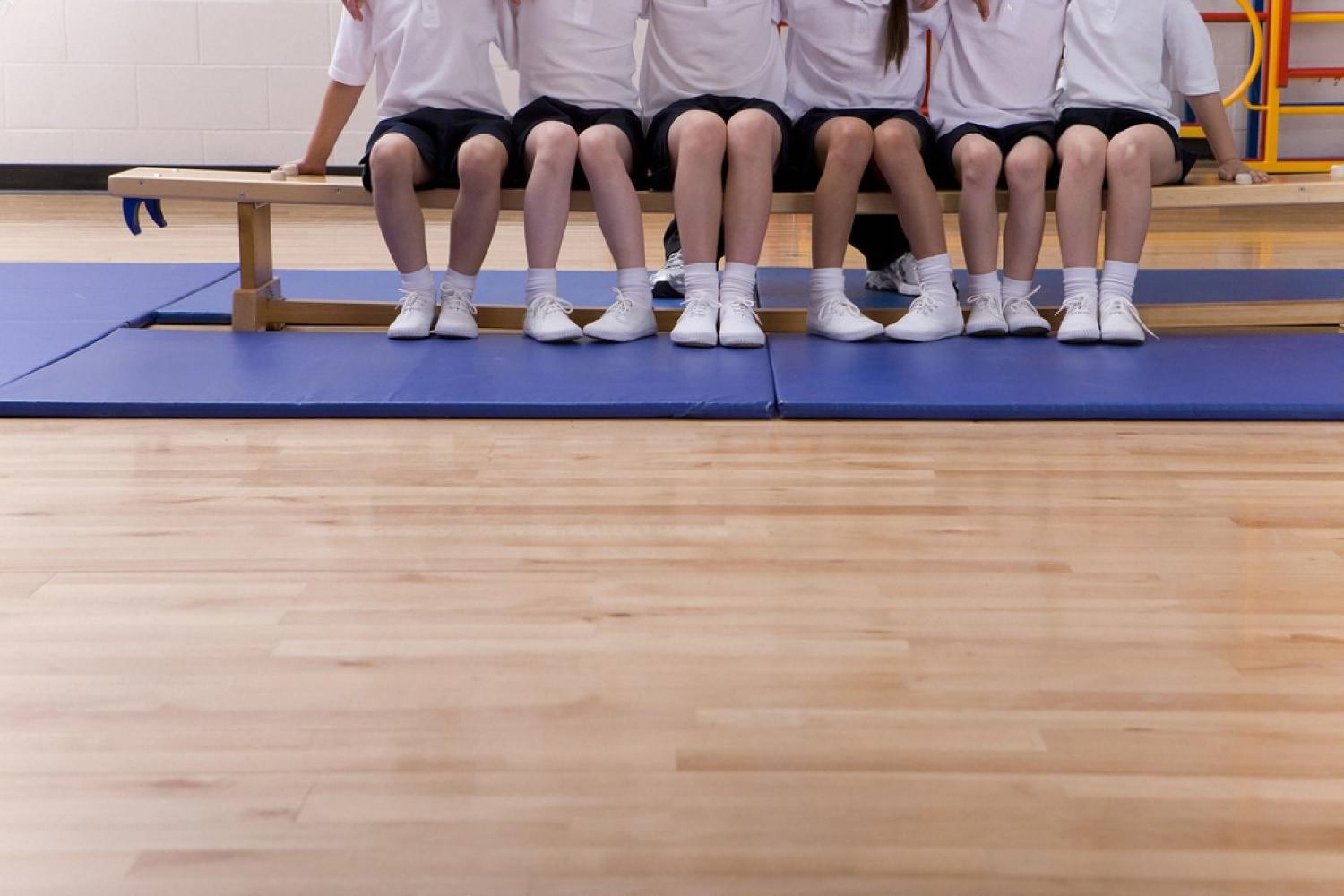
UAE clubs and community centres have expanded aggressively in the last five years. Swimming pools, gymnastics halls, football academies and padel courts are everywhere, and many are attached directly to residential communities in Dubai and Abu Dhabi.
If your child comes home restless, climbs the furniture, or cannot sit through homework, physical activity is not optional, it is medicine. Swimming is often the best starting point in the Emirates because it is a life skill, a full-body workout, and it works indoors year-round when the heat outside makes anything else miserable. Gymnastics and general athletics develop coordination that later sports build on.
Trend 3
Creative clubs are quietly winning back ground
For a while it felt like every parent wanted their child in coding by age seven. That is shifting. Music, drama, drawing and choir are filling up again, partly because parents notice how much calmer and more confident quieter children become when they have a creative outlet that is theirs alone.
If your child sings along to the radio, draws on every surface, invents stories with toys, or performs for the family, take that seriously. A weekly art class, a school choir, or a small drama group can be the anchor of their week. According to research on arts education sustained creative practice in childhood correlates with stronger focus and emotional regulation later on.
Reading clubs deserve a special mention. If your child asks for one more chapter at bedtime, a library club or book circle will feel like a gift, not a chore. Most public and school libraries in the UAE run free weekly sessions.

Trend 4
STEM clubs are getting hands-on, not just screen-based
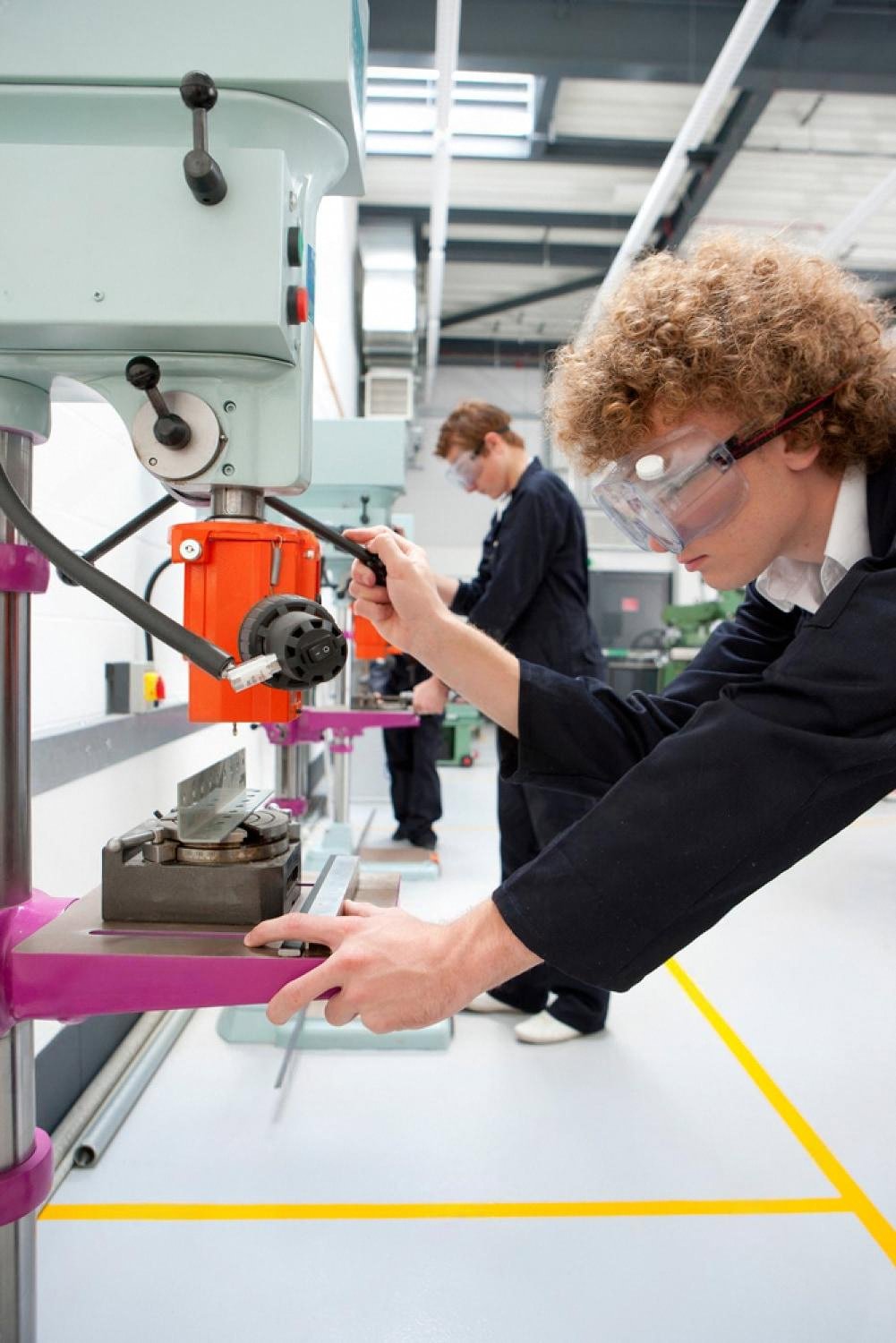
The old image of a computer club, twenty children in front of monitors, is fading. The new wave is tactile: LEGO robotics, drone assembly, simple electronics, junior engineering. This suits elementary students far better because they need to build, break and rebuild with their hands.
If your child takes toys apart, asks how things work, or lines up objects in careful patterns, a young engineers or robotics club is worth trialling. Look for programmes that finish each term with something the child made and can take home. Abstract courses without a physical output rarely hold attention at this age.
The clubs that stick are the ones a child would still choose on a rainy Friday when nobody was watching.
A short checklist before you sign the form
- Did the child ask for this, or did you? Both are fine, but be honest about which one it is.
- Is the timing humane? After a full school day in UAE heat, evening slots need to be short and close to home.
- Is there a trial session? If not, ask. Reputable providers will let you observe one class.
- What does the child look like on the drive home? Tired but talkative is good. Silent and drained, week after week, is a signal.
- Can you drop one thing if it stops working? Build in permission to quit. It teaches judgement, not weakness.
The outlook: less pressure, more listening
The direction of travel in the UAE is toward more choice, better facilities, and unfortunately more comparison between families. The parents who navigate this well are not the ones with the fullest calendars. They are the ones who watch their child carefully, pick one or two things that light them up, and protect the free time in between.
Elementary school is short. It is the last stretch of childhood where curiosity is still louder than performance. Choose clubs that feed that curiosity, and the academics tend to look after themselves.
Frequently asked questions
How many clubs should an elementary school child join?
For most children aged 6 to 10, one or two structured activities per week is enough. A common healthy pattern is one active club (swimming, football, gymnastics) and one quieter one (art, reading, music). More than that eats into sleep, homework and unstructured play, all of which matter more at this age than any single extracurricular.
What if my child wants to quit a club after a few weeks?
Ask why first. If the reason is a difficult teacher, a friend leaving the group, or a bad day, it is worth encouraging them to try a few more sessions. If they consistently dread going, come home exhausted, or lose interest in things they used to enjoy, letting them stop is the right call.
Quitting a club is not a character flaw at age seven. It is data about what they actually like.
Should I pick clubs that look good on future school applications?
At the elementary stage, no. Admissions officers at UAE secondary schools and universities look at what a student did in the years closer to application, not at whether a seven year old played the violin. Choose activities that build confidence, health and curiosity now. The rest follows naturally.
How do I tell the difference between healthy tiredness and burnout?
Healthy tiredness looks like a child who is hungry, sleeps well, and still talks about the activity the next day. Burnout looks like resistance in the morning, headaches or stomach aches before sessions, drops in appetite, and a decline in schoolwork or mood. If two or three of those signs appear together and persist for more than a couple of weeks, pull back on the schedule.
Are outside-of-school clubs better than school-based ones?
Not automatically. School-based clubs win on convenience, cost and social continuity, the child stays with familiar peers and does not need extra transport. Outside providers often have deeper expertise in a specific discipline (competitive swimming, serious music teaching, advanced robotics).
For elementary ages, start with what the school offers. Move to a specialist provider only when your child is clearly ready for more depth in one area.
What if my child does not seem interested in anything?
That is very common at ages 5 to 7 and it is not a problem. Try short trial sessions across three or four different categories over a term: one sport, one art form, one building or science club, one reading or storytelling group. Something usually clicks. If nothing does, that is fine too, free play at home is a legitimate use of after-school hours.
How much should I expect to pay for clubs in the UAE?
Costs vary widely. School-based clubs are often free or included in tuition, or run at a small term fee. Community sports and municipal library programmes can be very affordable. Private academies for swimming, football, music or coding sit at the higher end. Ask for the full term price up front, including uniforms, equipment and any competition fees, so there are no surprises.

Surfer, mother of 2, audiophile, Swiss design-head and growthhacker. Making at the junction of beauty and sustainability to craft experiences both online and in real life. Let’s design a world that’s thoughtful, considered and aesthetically pleasing.